Take the Eggs, Leave the Change: Britain’s Quiet Economy of Trust
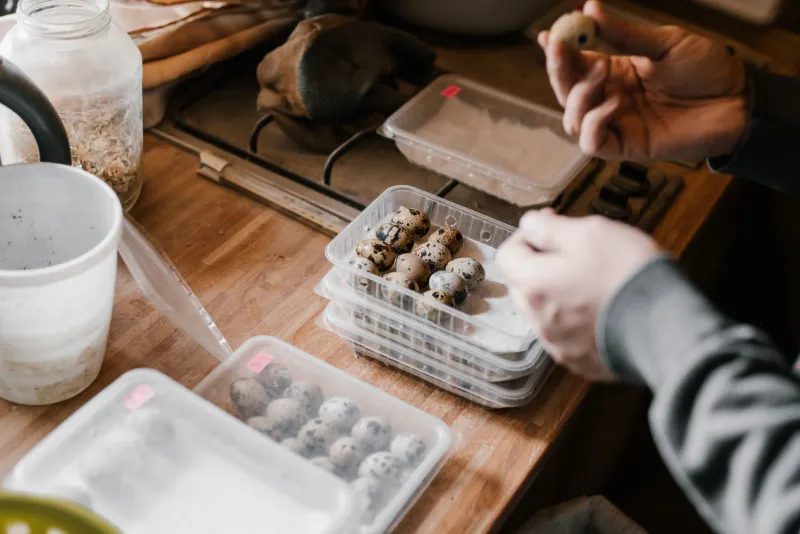
The first honesty box I ever trusted was a wonky shelf at the end of a farm track in Shropshire. Six eggs in a reused carton, a tin with a slot cut into the lid, and a sign that said, in biro, “£1.80. Please shut the gate.” No camera. No till. No one around except a dog who looked like he’d been paid to be unimpressed. I took the eggs, left two pound coins, and drove off feeling oddly pleased with myself — as if I’d passed a test I hadn’t known I was sitting.
That was years ago. In November 2026, the honesty box is still with us, though the scenery around it has shifted. Some now have QR codes cable-tied to the shelf. Others have proper card readers, little black rectangles blinking in the drizzle. The tin is still there, usually, but it’s no longer the only option. And that raises a very British set of questions: do you pay by phone, or do you rummage for change? What do you do when the signal dies and the app won’t load? And why does a box of eggs bought from a shed feel better than a box bought from a supermarket?
The rules are unwritten, and that’s the point
An honesty box is not really a shop. It’s a small social contract with a roof, or sometimes without one. The etiquette is rarely written down in full, but most people seem to absorb it by instinct. You take what you need. You pay what’s asked. You don’t clear the whole shelf just because you can. You close the lid, shut the gate, and leave the place roughly as you found it.
There’s a lovely restraint to it. No upselling, no loyalty card, no assistant asking if you need anything else. Just a few things someone has grown, made, baked or grown tired of, offered at a fair price. The design is usually charmingly improvised: a plywood shack, a cool box, a converted wardrobe, a shelf under a leaky awning. One stand I know has a little mirror so you can check your hair after wrestling with the latch. Another has a visitors’ book, which is either the most heartwarming thing in Britain or a serious security risk, depending on your mood.
These places reveal local character in a way that a high street often can’t. A flower stall in Suffolk might be all jam jars and hand-lettered labels. A book shed in Yorkshire might be a damp shelf of paperbacks with a note saying “50p each, or swap for something you think is better.” A roadside table in Wales might sell nothing but rhubarb in season, with a tin that hasn’t been emptied since Tuesday. The common thread isn’t rustic chic. It’s trust.
A tin, a QR code and a small dilemma
The cashless revolution has reached the countryside, but it hasn’t arrived evenly. Some honesty boxes now take card payments through a tiny reader, often with a signal booster that works about as well as a chocolate teapot. Others use a QR code that opens a payment page, which is fine until you’re stood in a lay-by with one bar of signal and a growing sense that the eggs are judging you.
There’s a practical side to this. Card payments reduce the risk of a tin being nicked, and they make life easier for people who no longer carry cash. For the seller, a reader or a QR code can mean fewer trips to empty the box and a clearer record of what’s been sold. For the buyer, it removes the awkward business of arriving with a twenty-pound note and no change.
But it changes the feel of the thing. Cash in a tin has a lovely directness: you put in a coin, you take a thing, the transaction is complete. A QR code asks you to trust an app, a signal and a stranger’s payment page. It also asks the seller to trust that you’ll actually pay once you’ve got the eggs in your hand. Most people do, of course. That’s the quiet miracle of it. But the introduction of technology into a system built on trust is always a slightly funny business. You’re using a computer to prove you’re decent.
Design lessons from a plywood shed
Rannel has a soft spot for places that don’t try too hard, and the honesty box is a masterclass in that. The best ones are not styled. They are solved. A shelf is put where the rain doesn’t reach. A sign is painted in whatever colour was left in the shed. A plastic tub is labelled “EGGS” in marker pen, with an arrow pointing at the eggs, in case you were about to mistake them for something else.
The result is a kind of accidental design that big brands spend millions trying to fake. It’s honest, literally and aesthetically. You can see the joins. You can see the handwriting. You can see that someone has thought about you just enough to make the thing work, and not so much that it feels like a focus group.
That’s why these little stands are such good finds. They’re not destinations in themselves, but they’re the sort of place that makes a journey feel worthwhile. A detour for a punnet of raspberries. A stop for a second-hand paperback. A bunch of dahlias left in a bucket with a note saying “£3, please don’t take the bucket.” You come away with something small and specific, and a story about a stranger who trusted you.
How to be a decent customer
The etiquette is simple, but it’s worth repeating. Take only what you need. Pay the price asked. If you’ve got the right change, use it. If you haven’t, don’t pretend you’ll come back — either use the QR code or leave what you can and a note. Don’t haggle. Don’t rearrange the stock. Don’t photograph the seller’s house, children or dog without asking. And if the sign says shut the gate, shut the gate.
There is also a case for carrying a couple of pound coins in the car, even in 2026. Not because cash is better in some nostalgic way, but because it keeps these tiny enterprises viable for the people who run them. A tin that fills up is a sign that the system is working. A tin that doesn’t is a sign that something has gone wrong — or that everyone is paying by phone and the seller has to remember to check an app.
The quiet pleasure of an unstaffed find
What I like most about honesty boxes is that they ask you to be a slightly better version of yourself. Not in a preachy way. Just in a small, practical way. You pay for the eggs. You leave the change. You close the lid. You drive on. The world is not transformed, but for a moment it feels less transactional than usual.
In a year when so much of life is mediated by screens, accounts and algorithms, there is something deeply appealing about a shelf by the road and a tin with a slot in it. It’s not perfect. It’s not secure. It’s not going to scale. But it works, mostly, because most people are decent, and because a small box of eggs is a surprisingly good reason to be.
So next time you see a hand-painted sign at the end of a drive, slow down. Take a look. Maybe take some eggs. Leave the change. And shut the gate behind you.