The Shop That Sells Nothing: Why Britain’s Library of Things Is the Best Idea on the High Street
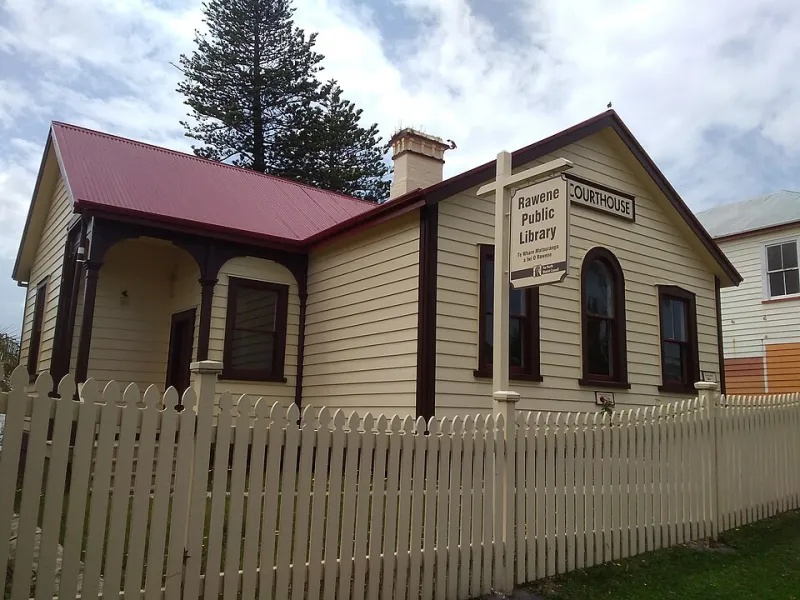
Photo: Rawene news, CC BY-SA 4.0, via Wikimedia Commons
There is a shop on a high street near you that does not want to sell you anything. It might be in a church hall, a repurposed unit next to the charity shop, or a room above a community centre. The shelves are not stacked with things to buy. They are stacked with things to borrow: a cordless drill, a cake tin in the shape of a dinosaur, a disco ball, a lawnmower, a projector, a set of camping pans. You pay a small membership, you reserve what you need, you collect it, you use it, you bring it back. That’s it. No receipt, no buyer’s remorse, no corner of the shed filling up with objects you used once.
This is the Library of Things, and it is having a moment. Not a loud, venture-capital moment. A quiet, church-hall, volunteer-rota moment. Across the UK, from Lambeth to Leeds, from Cardiff to Stirling, these lending libraries are opening in empty shop units and community spaces. They are not a new idea — tool libraries have existed for decades — but the current wave is broader, friendlier and more ambitious. It is not just drills. It is cake tins, sewing machines, pressure washers, tents, fondue sets, paella pans, badminton nets and, yes, disco balls.
How a Library of Things actually works
Most are small charities or community interest companies. You join for a modest annual fee — often between £10 and £30 — or pay per item. You browse a catalogue online, reserve what you need for a specific day, and collect it from a desk staffed by volunteers. You return it cleaned and on time. Some ask for a refundable deposit on expensive items. Some run inductions for power tools. Many also host repair cafés, where you can learn to fix your own broken toaster instead of replacing it.
The model depends on trust and good organisation. The best ones have a clear booking system, a maintenance log for every drill and sewing machine, and a volunteer who actually knows how to sharpen a lawnmower blade. The worst ones have a cupboard full of tangled extension leads and a vague opening time. But even the scrappy ones have a certain charm.
Why we’re all a bit done with buying
There are the obvious reasons: cost of living, small flats, a growing aversion to clutter. A decent cordless drill costs £60 to £100. A carpet cleaner costs more. A disco ball costs £25 and gets used once a year, if that. Why buy when you can borrow for a fiver?
But there is something else going on. People are tired of buying cheap and rarely used objects. We have all done it: the £15 strimmer that died after one summer, the bread maker that became a doorstop, the tent that leaked on its second outing. The Library of Things is a quiet rebellion against that cycle. It says: you do not need to own everything. You just need access to it when you need it.
There is also a social side. You bump into neighbours. You learn that someone down the road has a ladder you can borrow. You get advice from a volunteer who has owned the same pressure washer for eight years. It is not nostalgia. It is practical, low-key community infrastructure.
What to look for in your local one
If you are thinking of joining, here is what separates a good library from a frustrating one.
- A clear, up-to-date catalogue. If you cannot see what is available and when, you will never use it.
- Good condition and maintenance. Ask how often items are checked. A drill with a blunt bit is worse than no drill.
- Simple membership and deposit rules. You should know exactly what you pay and what happens if something breaks.
- Opening hours that fit real life. Saturday mornings are essential. So are a couple of weekday evenings.
- Friendly, knowledgeable volunteers. They are the difference between a lending cupboard and a proper service.
- A range that matches your life. Some are heavy on DIY, others on party kit, camping gear or kitchen equipment. Check before you join.
- Repair and skill-sharing. The best ones do not just lend; they teach.
The quiet optimism of a lending shelf
There is a particular feeling you get when you walk into a Library of Things. It is the opposite of a shop. Nobody is trying to sell you anything. Nobody is measuring your worth in receipts. You are surrounded by useful objects that belong to everyone and no one. A drill that has built three sheds and a treehouse. A cake tin that has seen a hundred birthdays. A disco ball that has hung in a church hall and a living room and a community centre.
The best shop on the high street may not sell anything at all. It might just lend you a drill, a cake tin and a disco ball. And that is a quietly brilliant thing.