The Lights Stay On: How Britain’s Small Cinemas Became the Better Night Out
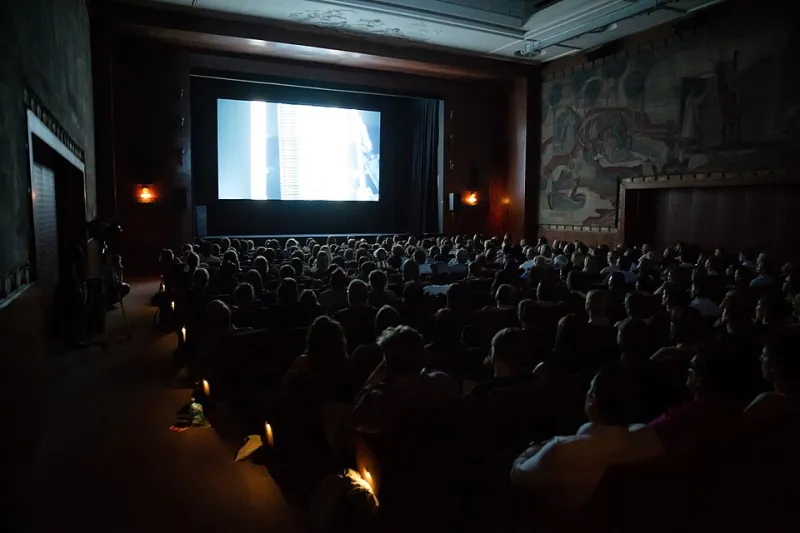
Photo: Manfred Werner - Tsui, CC BY-SA 3.0, via Wikimedia Commons
On a wet Thursday in October 2026 I sat in a 96-seat cinema in a market town and watched a restored print of a film I could have streamed at home for free. The screen had a faint vertical line down the left side. The seats were the colour of old hospital curtains. The person tearing tickets also sold the ice cream, and the ice cream was local. It was one of the best nights out I have had all year.
That is not a sentimental claim about the past. It is a practical claim about the present. Small cinemas are having a quiet revival because they offer something the algorithm cannot: a room, a time and a shared decision. You do not scroll past a night at the pictures. You put on a coat, meet someone, sit in the dark with strangers and let a film happen to you.
The quiet comeback is not about nostalgia
It would be easy to frame this as heritage. The little cinema, the faded art deco façade, the handwritten listings, the volunteer in a fleece. All of that is real, and all of it is part of the appeal. But nostalgia alone does not fill seats in 2026. What fills seats is programming with a pulse and a sense that the place has been curated by someone with opinions.
The best independent cinemas behave like editors rather than platforms. They run a season of British documentaries, a Sunday morning classic, a parent-and-baby screening that is not an afterthought, a subtitled night for people who are tired of turning the volume up. They put on a Q&A with a local filmmaker and sell out a 70-seat room because the filmmaker's mum brought her book group. That is not a lesser version of a multiplex. It is a different cultural form.
Programming with personality
The multiplex model is about volume. Twelve screens, twenty showings, a film every 20 minutes. It works if you want to see the biggest release on the day it comes out. It is less good at making a night feel like an event. The independent model is about selection. One screen, two showings, a film chosen because someone thought it was worth choosing.
That curatorial voice is the real draw. You can feel it in the listings: the repertory strand that is not just 'old films' but a theme; the local history documentary that packs out the town hall; the horror all-nighter that smells of coffee and crisps by 2am. Streaming gives you everything. A small cinema gives you a decision. And a decision, it turns out, is more enjoyable than an infinite menu.
The rituals that make a night feel different
There is a particular pleasure in the small-cinema ritual. You check the listings on a website that looks like it was built by a committed volunteer. You book a ticket, or you risk it. You arrive early because the bar is also the box office. You hear someone say 'we've got the back row' as if it is a strategic victory. The lights go down and the room goes quiet in a way that a living room never does.
At home, you pause. You check your phone. You wonder whether you should have chosen something else. In a cinema, you have made a commitment. That commitment is the luxury. It is also the reason a small cinema can make a mediocre film feel like a good night out: the shared attention does some of the work.
The economics are real, and so is the effort
It would be dishonest to pretend this is all cosy. Small cinemas are expensive to run. Old buildings leak. Heating a 1930s auditorium is not cheap. Ticket prices are often £8–£12, which is competitive with a multiplex but still a lot for a family. Many rely on volunteers, community shares, grants and fundraising. Some are one bad winter away from closing.
That is why the revival matters. Every ticket is a vote for a room with personality. Every coffee bought at the interval is part of the business model. You do not have to be a philanthropist. You just have to turn up. The romantic version of the small cinema is that it survives on love. The honest version is that it survives on love plus a functioning boiler and a good programme.
How to make a day of it around a hometown cinema
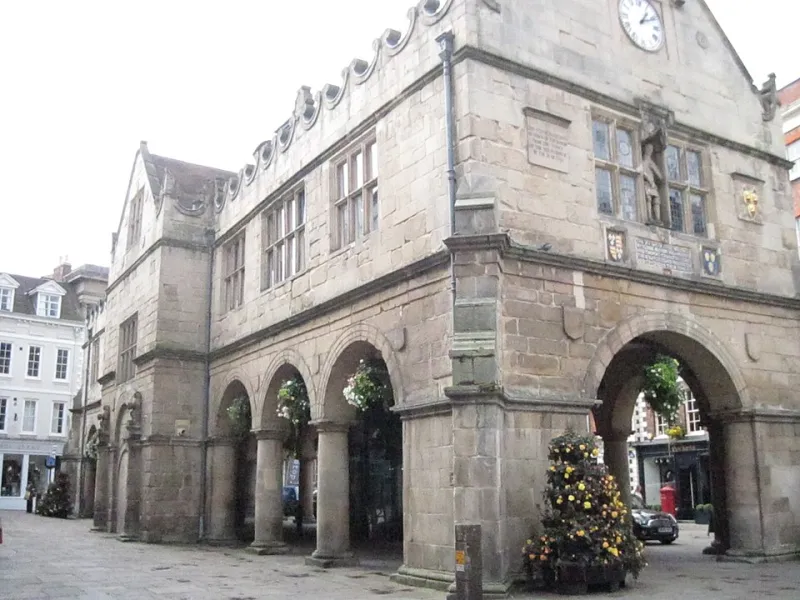
Pick a market town with a cinema and build the day backwards. Check the listings first, then find lunch within walking distance. Arrive with time to browse the independent shop next door. Book the early evening showing so you are not driving home at midnight. Stay for the Q&A if there is one. Buy a drink at the bar. Walk to the car or the station the long way round.
That is the mini guide: one film, one meal, one small shop, one walk. Do not try to do the museum and the castle and the gallery as well. The cinema is the anchor, not the filler. A day built around a 4pm screening has a natural shape. You are not cramming culture into a gap between lunch and the last train. You are letting the film be the thing you came for.
Why it is worth the trip
In 2026, personality is the new luxury. We have spent a decade optimising every cultural experience until it is frictionless and forgettable. The small cinema is the opposite. It is slightly inconvenient. The seats are not recliners. The popcorn is not a bucket. But you will remember the night, and you will remember the room.
That is why the lights are still on in Britain's little cinemas. Not because the past was better, but because a night at the pictures should feel like somewhere. A hometown cinema gives you that. It is worth the trip.