Skip the Queue, Follow the Jam: Britain’s Village-Hall Christmas Fairs Are the Real Shopping Trip
By the first week of November 2026, the Christmas market machine is already in motion. Wooden huts are going up in city squares, the smell of cinnamon is being piped into pedestrianised streets, and somewhere a queue is forming for a paper cup of mulled wine that costs more than a decent paperback. It can be a lovely night out. But if the aim is to come home with something worth keeping, the smarter shopping trip is happening a few miles out, in a church hall with a raffle table by the door and a tea urn doing steady business in the corner.
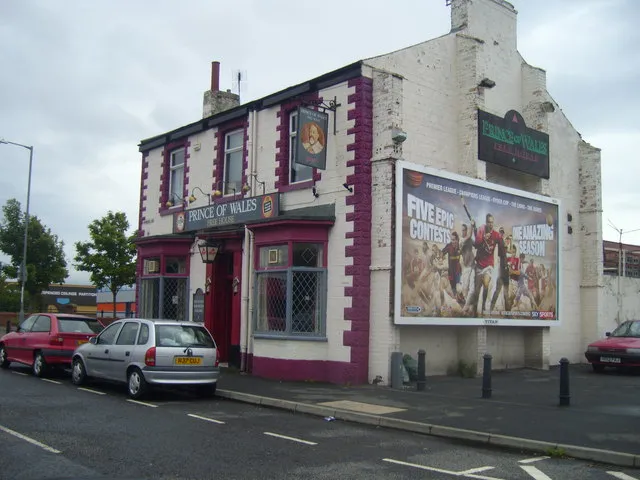
This is the village-hall and community-centre Christmas fair circuit: less flash, more character, and generally much better value. You will find them in Methodist halls, scout huts, parish rooms, school gyms and the kind of community centre that has a noticeboard advertising both yoga and a missing cat. They are not a secret, exactly. They are just not marketed with a lighting rig. Which is precisely why they are worth your Saturday morning.
Why the village hall wins on price
The economics are simple. A stall at a big city market can cost hundreds of pounds, and that cost ends up in the price of a jar of chutney. At a church hall fair, the table money is modest and often goes to the building fund or a local charity. The person selling you jam may have made it in their own kitchen with fruit from an allotment. The person selling knitted hats may be sitting behind the stall, knitting another one.
That means real prices. A jar of homemade marmalade for £3. A hand-knitted hat for £12. Second-hand books at 50p each, or five for £2. A Christmas cake that did not come in a tin with a brand name on it. You can fill a tote bag for the price of one round of bratwurst and a plastic cup of something warm outside a temporary bar.
Cash is still king, so bring a mix of notes and coins. Some stalls now take card, but the signal in a church hall is unreliable and the queue behind you does not want to wait while someone tries to pay 80p by phone.
How to find the good ones
Start local and analogue. Parish magazines, library noticeboards, the window of the nearest bakery, the school newsletter, the Post Office queue. Then check the less glamorous corners of the internet: local Facebook groups, church websites, Rotary club pages, the village hall’s own site if it has one. The best fairs often have a slightly homemade poster with a time, a date and the words ‘refreshments available’. That is all the marketing you need.
Good signs on the listing: ‘homemade’, ‘pre-loved’, ‘books’, ‘raffle’, ‘tea and cake’, ‘craft stalls’. Times that run from 10am to 1pm rather than 10am to 8pm. A venue with a car park, or at least a nearby street where you can park without a permit drama. A fair that has been running for years will usually mention it, because the regulars already know.
Be mildly sceptical of anything billed as a ‘luxury craft market’ in a hotel function room with a £5 entry fee. It can be fine, but it is a different beast. The church hall fair is not trying to be a lifestyle brand. It is trying to raise money for the roof.
What to put in your bag
Bring a sturdy tote, some cash, and a rough idea of who you are buying for. Then stay open-minded. The best finds are rarely on a list.
Jam and chutney. This is the backbone of the circuit. Look for handwritten labels, odd-shaped jars, and a date. Ask what is in it. If the stallholder says ‘the plums came from the tree at the back of the church’, buy two.
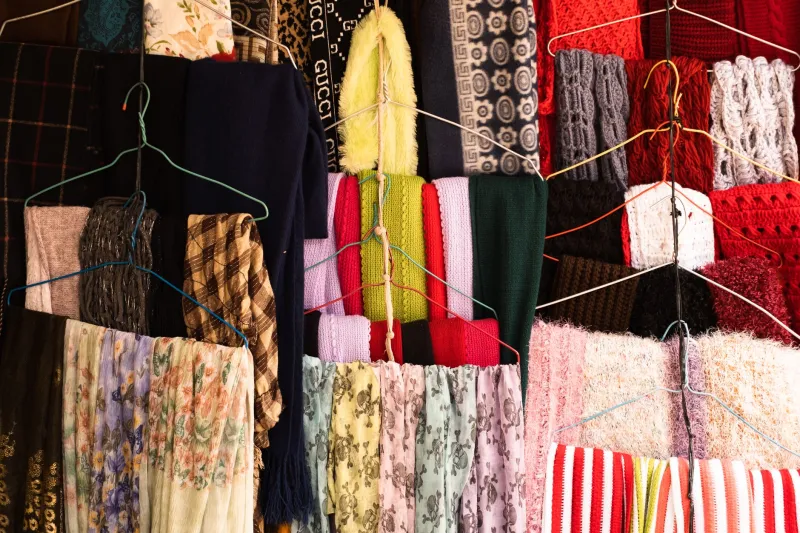
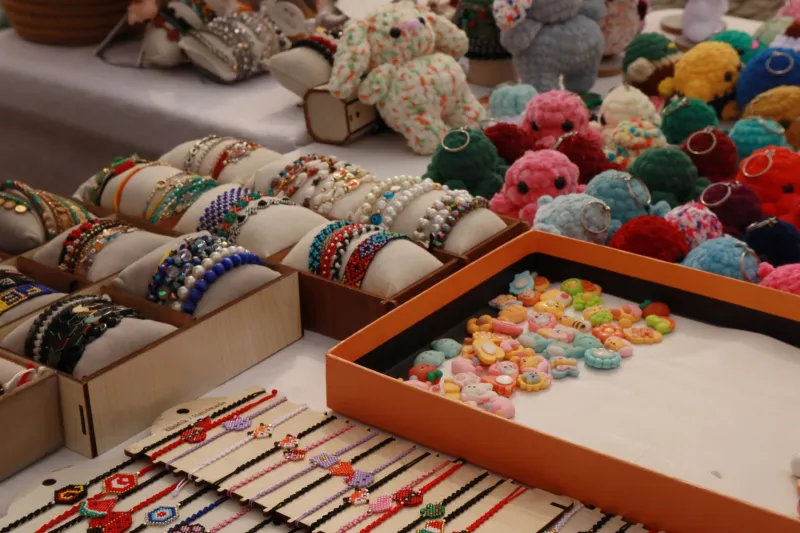
Hand-knits. Hats, gloves, baby cardigans, tea cosies. Check the wool feels soft rather than squeaky. Ask if it is machine washable, because the answer will tell you a lot about the maker’s honesty.
Second-hand books. The book stall is where the fair quietly becomes a proper shopping trip. Paperbacks for 50p, hardbacks for a pound, cookery books from the 1970s that are more useful than they look. Buy one for yourself and one for the raffle.
Cake and biscuits. A Christmas cake, a tray of flapjacks, a bag of shortbread. These are not artisan prices because they are not artisan marketing. They are just good.
Cards and decorations. Often overlooked, often excellent. Boxes of cards for a couple of pounds, knitted tree decorations, a slightly wonky ceramic star. Character over perfection.
The etiquette bit
Do not haggle at a charity stall. The price is already low and the cause is usually the church roof, the scout group or the local hospice. If you are short of change, round up rather than down. If you want to negotiate, save it for the car boot sale.
Queue properly for tea. Do not stand directly in front of the urn having a long conversation while other people wait. If there is a raffle, buy a ticket even if you do not want the hamper. It is part of the social contract.
Ask before taking photos of stalls, especially if children are involved. Keep an eye on your bag in the crush around the book table. And if you knock something over, tell someone rather than walking away.
The £7 mulled wine problem
Big Christmas markets are not the enemy. They are fun if you go in expecting a night out rather than a shopping expedition. But the economics have become silly. The queue for a drink can take twenty minutes. The stalls often sell the same imported goods you can find online. You leave with a receipt and a vague sense of having been processed.
The village hall fair is the antidote. You will pay £1.50 for a cup of tea and get a mince pie for another pound. You will chat to the person who made the chutney. You will find a book you did not know you wanted. The money stays in the community, or at least in the room.
Make a morning of it
Check the start time and arrive early for cake, or later for the last-hour discounts on books. Bring cash, a tote and a friend who is happy to wander. Pair the fair with a walk and a pub lunch, or a drive home through lanes that are not full of temporary traffic lights.
One fair per weekend is plenty. Two is a hobby. Three is a Q4 lifestyle. But if you find a good one in November 2026, put the date in your diary for next year. The church hall Christmas fair is not a secret because nobody wants you to know. It is a secret because it does not have a marketing budget. That is exactly why it is worth your time.