The Exit Is the Best Bit: Britain’s Small Museum Shops Deserve Their Own Trip

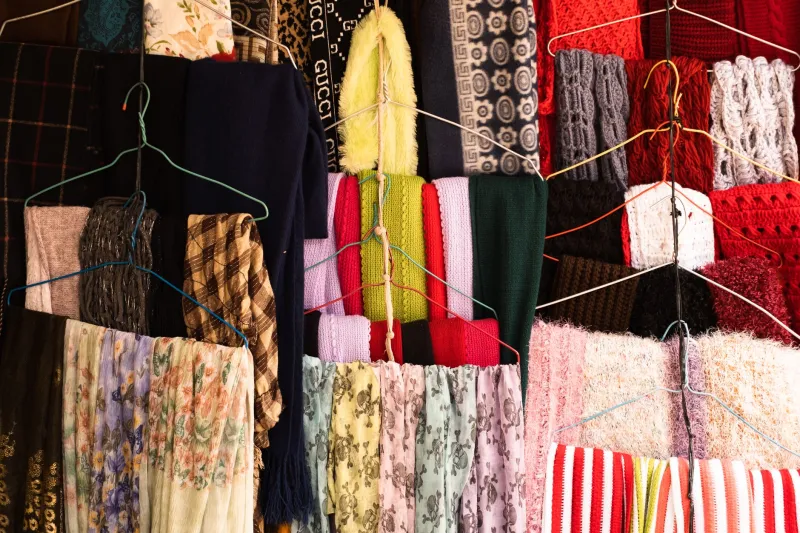
Photo by Photo by Georg Eiermann on Unsplash on Unsplash
You know the drill. You pay, you wander, you look at the paintings or the pots or the old agricultural machinery, you read two labels and nod thoughtfully at a vitrine. Then comes the exit, and the exit leads through the shop. For years, that was the bit to endure: racks of pencils, a tower of fridge magnets, a tea towel with a slightly wrong font. Not any more. In small museums across the UK, the gift shop has quietly become one of the most interesting rooms in the building. It is part design store, part bookshop, part local noticeboard. Sometimes it is the reason to go.
The shop is a second exhibition
A good museum shop is curated. That sounds obvious, but it is not how most of us think about them. We think of shops as afterthoughts, somewhere to buy a postcard on the way out. The best small museums treat them as another display case: a place to show what the institution values, what the local area makes, and what a visitor might reasonably want to live with.
That is why the small shops often beat the big ones. A tiny museum can take a risk on a ceramicist from the next town, a stack of pamphlets from a local historian, or a run of prints by an illustrator who has never had a shop shelf before. It does not need a wall of branded umbrellas. It can stock twelve excellent things instead of two hundred average ones.
The result is a shop that tells you about a place. Not just the exhibition, but the town, the landscape, the makers, the bookish corner of the country you have landed in. You can learn a lot about a museum from what it chooses to sell. You can learn even more about the area from what it chooses to stock.
A few places to start
This is not a definitive list, and it is not a ranking. It is a handful of shops that reward a detour, the kind of places where you go in for a postcard and come out with a book, a mug and a vague plan to redecorate.
Kettle’s Yard, Cambridge. The house and gallery have a particular ethos: thoughtful, artist-led, domestic without being twee. The shop follows suit. Expect artists’ books, ceramics, prints and small objects that feel chosen rather than bought in bulk. It is the sort of place where a notebook is not just a notebook; it is a notebook you will actually use.
The Hepworth Wakefield. Yorkshire makers, prints, sculpture-adjacent objects and a children’s section that does not patronise. The shop understands that a museum visit often ends with a small person who wants something, and that the something can be decent. Look for local ceramics and design-led bits you would happily put on a shelf.
Towner Eastbourne. A bright, coastal modernism runs through the shop, with prints, cards, books and small design pieces that suit the building. It is a good example of a shop that feels like an extension of the exhibition rather than a separate commercial venture. If you are in Eastbourne for the gallery, leave time for the shelves.
Arnolfini, Bristol. Art books, small-press publications and editions. This is the kind of shop where you go in for a card and spend twenty minutes reading the back covers. It is useful for presents, dangerous for your own tote bag.
The Whitworth, Manchester. Textiles, pattern, design and a strong book selection. The shop makes sense in a gallery known for its collection and its park setting. It is a good place to find a useful object that does not look like a souvenir: a tea towel you would actually hang, a notebook, a print.
Museum of English Rural Life, Reading. A quieter example, but a good one. The shop leans into rural crafts, books and small useful things, and it feels connected to the collection rather than bolted on. It is the sort of place where you can buy a present for someone who likes gardens, old tools or a good bit of social history.
What to buy, and what to leave
The best museum shops are not just about taste. They are about usefulness. A souvenir should earn its place in your home, even if its only job is to make you smile when you walk past it.
Buy the artist’s book you would not find on a high street. Buy the mug that feels good in your hand. Buy the print that is not a reproduction of a famous painting but something made by a person in the region. Buy the seeds, the soap, the pocket notebook, the children’s book with proper illustrations. Buy the exhibition catalogue if the show stays with you; they are often better made than the average coffee-table book and they hold the memory of the visit.
Leave the generic totes if you already have a cupboard full. Leave the novelty socks unless they are genuinely funny. Leave the thing you are buying only because you feel you should. A good shop is not a test of loyalty. It is a place to find something with a bit of character.
How to shop them like a local
- Check the shop hours separately. Small museum shops often open later than the galleries, or close for lunch, or shut on the day you have chosen. A quick look online saves a wasted trip.
- Ask what is local. Staff in small shops usually know which makers are down the road and which items are bought in from a catalogue. They are also the best people to ask about the town’s other good shops.
- Look at the labels. Small museums are getting better at saying who made things and where. If a shelf label tells you the ceramicist is from ten miles away, that is a good sign.
- Do the exhibition first, then the shop. You will buy differently after you have seen the show. The catalogue makes more sense, the prints feel connected, and you are less likely to panic-buy a pencil.
- Check the second-hand book corner. Some museum shops quietly run a shelf of donated or remaindered books. It is often where the best value is.
- Join the mailing list if you like the shop. Small shops announce maker fairs, late openings and new editions. It is a low-effort way to keep up without relying on social media.
- Set a budget and carry a tote. It sounds boring, but it helps. The best museum shops are full of small, affordable things, and they add up.
The souvenir that earns its place
There is a version of museum shopping that is about obligation: the fridge magnet, the pencil, the thing you buy because you are there. But the small museum shops worth travelling for are doing something else. They are offering a useful, well-chosen object that carries a bit of the visit with it. A book you read. A mug you use. A print you hang. A bar of soap that smells like the garden you walked through afterwards.
That is why the exit is the best bit. Not because the exhibition was not worth your time, but because the shop is where the museum lets its guard down and shows you what it really likes. It is a good find, hiding in plain sight, right by the door.