The Shop That Comes to You: Britain’s Mobile Greengrocers Are Still the Best Part of the Street
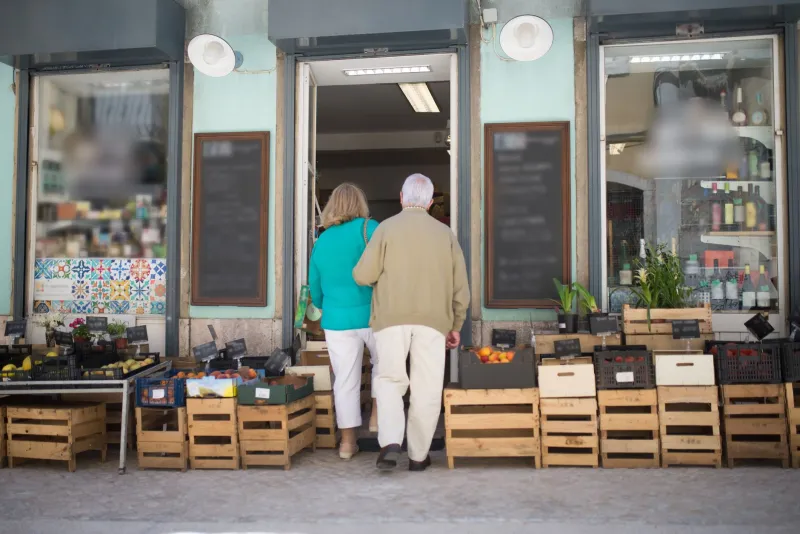
On a damp Tuesday morning, a white Transit slows at the mouth of a cul-de-sac and gives a single, polite beep. By the time the handbrake is on, three people have appeared from front doors, one from a side gate, and a dog has been told, firmly, to stay inside. The back doors open. Crates of cabbages, leeks, oranges and something green and unfamiliar are slid onto the tailgate. For the next twenty minutes, this ordinary stretch of pavement becomes a greengrocer’s.
You do not need a special occasion to shop this way. You need a day, a time and a bag. The van is not a pop-up, a festival stall or a lifestyle photo opportunity. It is a shop with an engine, run by someone who knows the difference between a good pear and a pear that will disappoint you by Thursday.
The Route Is the Shop
Mobile traders live or die by their rounds. A greengrocer might do the same estate every Wednesday, a nearby village on Thursday and a market square on Saturday. A fishmonger could be at the community centre on Friday mornings, a pub car park at lunchtime and a farm shop on the weekend. A cheese van might visit monthly, which sounds infrequent until you remember that a good wedge of cheddar does not need to be replaced weekly.
The timetable is the shop window. In 2026, that timetable might live in a Facebook group, a WhatsApp broadcast, a laminated notice taped inside a newsagent’s window or all three. Some vans take card payments and pre-orders; some still prefer cash and a conversation. Neither is automatically better. What matters is that the route is consistent. Regulars plan around it. The van becomes part of the week’s furniture.
This is not a new idea dressed up as heritage. Mobile shops have served rural areas and city estates for generations. What has changed is the pressure around them — fuel, insurance, pitch fees, weather, the sheer cost of keeping a van on the road — and the quiet opportunity for people who want to shop a little differently in 2026.
What the Van Knows That the Aisle Doesn’t
A supermarket sells you consistency. A van sells you what is good today. That is the bargain, and it is worth understanding before you climb the steps.
The greengrocer knows which tomatoes are worth buying and which are only there because the wholesaler had a pallet. The fishmonger can tell you what came in that morning, what is frozen, what is best for a pie and what will be ruined by a heavy hand with lemon. The cheese van will not pretend a young brie is a mature one. This is not gourmet gatekeeping. It is the ordinary expertise of someone who has spent years watching stock move and customers come back.
There is also a practical benefit that gets lost in the romance: less packaging. A paper bag, a cardboard box, a reusable tub. You buy the amount you need, not the amount a supermarket has decided to shrink-wrap. The carrots might be muddy. The apples might be small. The queue might include someone who wants to tell you about their knee. That is part of the service.
The Etiquette of Buying Off a Tailgate
Shopping from a van has its own unspoken rules, and most of them are simply good manners with a bit of road sense.
Queue naturally, but do not crowd the tailgate. Let the person with a walking stick get to the front. Ask before you squeeze the peaches. If the trader is serving someone else, wait rather than reaching over. Bring a bag, and do not be offended if they ask you to bring a box back next week.
Cash is still welcome, but card readers are common. Do not haggle over 20p on a bunch of spring onions. Do not block the van’s spot with your car. Keep dogs and small children clear of the road. If you miss the van, send a text rather than chasing it down the street. The van is a guest on your road, but it is also a business with a schedule.
The best customers are not the ones who spend the most. They are the ones who turn up, pay attention and come back. Traders remember faces. They remember who likes the strong cheddar, who wants the fish filleted and who will take the slightly bruised peppers at a fair price.
How to Shop a Van Well
Start with the timetable. Find out which day the van comes, where it stops and roughly how long it stays. Put a reminder in your phone. If you work during the day, ask whether there is a later stop nearby or whether you can pre-order for collection.
Bring a bag, a little cash and a flexible list. Ask what is good. Buy one thing you did not plan for. If you are buying fish, ask what is freshest and how to cook it. If you are buying cheese, say what you like and let the trader steer you. Buy a box of something rather than a single item if you know you will use it. And if you become a regular, tell them what you would like them to carry. A van can only stock what people buy.
It also helps to remember that the van is not a charity. Praise is nice; custom is better. The most useful thing you can do for a mobile trader in 2026 is to shop with them often enough that the stop makes financial sense.
Why It Still Works in 2026
The case for the mobile greengrocer is not sentimental. It is about time, money and contact. For some households, the van is cheaper than the convenience store and easier than a bus trip to a supermarket. For others, it is a way to buy less, waste less and ask a question without feeling like a nuisance. For older customers, it can be a genuinely important point of contact. For parents, it is a shop that does not require a car park, a trolley or a meltdown in aisle nine.
There are real challenges. Fuel costs, insurance, weather and council pitches all shape whether a route survives. A van cannot compete with a supermarket on everything. But it does not need to. It competes on freshness, advice, small quantities and the simple fact that it turns up. In a year when so much shopping feels like an algorithm, a van that knows your name because you told it is a quietly valuable thing.
The beep is the signal. The doors open. The street becomes a shop. If you have a mobile trader near you, find out the day, bring a bag and go. The high street is not only made of buildings. Sometimes it arrives on four wheels.